Gambling's fascinating journey tracing the history of chance and strategy
The Origins of Gambling
The history of gambling dates back thousands of years, with evidence suggesting its presence in ancient civilizations such as Mesopotamia, China, and Egypt. Archaeological findings, including dice made from animal bones, indicate that early forms of gambling were tied to chance and luck. In these early societies, games of chance often served not just as entertainment but also as a means of divination, allowing players to connect with the spiritual world and seek guidance for their daily lives. Today, platforms like mafiacasino bring this ancient tradition into modern gaming, offering both online and offline experiences.

As civilizations evolved, so did the complexity of gambling activities. The invention of playing cards in 9th century China marked a significant shift, introducing strategic elements to games. By the time cards spread to Europe in the 14th century, they had begun to blend chance with skill, leading to more intricate forms of play. This melding of strategies created a foundation for many of the games we recognize today, showcasing how gambling has always been a reflection of cultural values and societal developments.
Throughout history, gambling faced periods of acceptance and prohibition. In various cultures, it was embraced as a social activity, while in others, it was shunned or regulated. These fluctuating attitudes have influenced gambling’s trajectory, leading to the establishment of more structured forms of betting and the eventual rise of casinos and organized gambling environments in the 19th and 20th centuries, culminating in today’s dynamic landscape.
The Evolution of Casino Culture
The 17th century marked the emergence of the first modern casinos, beginning in Italy with venues like the Ridotto in Venice. These establishments popularized gambling among the elite and laid the groundwork for a luxurious casino culture. The concept of social gambling caught on, evolving from private gatherings to public spaces where individuals could engage in various games. This shift significantly impacted gambling’s reputation, elevating it from mere pastime to a sophisticated form of entertainment.
As casinos spread throughout Europe, new games were introduced, including baccarat and roulette, each offering unique blends of chance and strategy. The allure of casino gaming became increasingly intertwined with glamour and excess, creating an environment where players could not only bet their fortunes but also experience the thrill of high-stakes competition. The iconic image of glamorous casinos became deeply ingrained in popular culture, reinforcing the fascination with gambling as an upscale social activity.
The American gambling scene took off in the 19th century, particularly with the rise of Las Vegas in the mid-20th century. The city emerged as a mecca for gambling, featuring sprawling casinos that catered to a diverse audience. This new wave of casinos incorporated advanced technology, such as slot machines and electronic gaming, significantly changing how people interacted with games of chance. By balancing elements of chance with strategic gameplay, these casinos transformed gambling into a multi-billion dollar industry.
The Rise of Online Gambling
The advent of the internet in the late 20th century revolutionized the gambling industry, giving birth to online casinos that allowed players to experience gaming from the comfort of their homes. Online gambling platforms began emerging in the mid-1990s, offering a wide range of games, from traditional table games to innovative new formats. This digital shift expanded access to gambling, allowing millions of individuals to participate in games that were once confined to brick-and-mortar establishments.
Online gambling brought about a significant change in player behavior and preferences. With the ability to play from anywhere at any time, players could now experience gambling without the constraints of physical location. Additionally, online casinos introduced various promotional offers and bonuses, enhancing the gaming experience. The integration of social elements, such as live dealer games, created a more interactive environment, bridging the gap between online and offline gaming.
The regulatory landscape for online gambling also evolved rapidly, with many countries developing frameworks to ensure consumer protection and fair play. While some regions embraced online gambling as a legitimate form of entertainment, others imposed strict regulations or outright bans, reflecting ongoing debates about the social implications of gambling. Despite these challenges, online gambling continues to grow, driven by technological advancements and an increasingly digital society.
The Balance of Chance and Strategy in Gambling
At the heart of gambling lies a delicate balance between chance and strategy. While games like slots rely predominantly on luck, others such as poker and blackjack require players to utilize skill and decision-making to influence outcomes. This interplay between random chance and strategic planning has intrigued players for centuries, with many dedicating their lives to mastering the complexities of games where skill can enhance winning probabilities.
The psychological aspect of gambling also plays a crucial role in the balance between chance and strategy. Players often grapple with the excitement of risk and the uncertainty of outcomes. Understanding the odds and employing strategies can lead to more informed decisions, enhancing the overall gaming experience. This psychological tension keeps players engaged, as they seek the thrill of victory while navigating the unpredictable nature of chance.
Moreover, the evolution of technology has introduced new strategies and tools that players can leverage to their advantage. From statistical analysis software for poker players to betting systems for roulette, technology has enabled a deeper understanding of games and strategies. As gambling continues to evolve, the fusion of chance and strategy remains a central theme, influencing both how games are played and the broader perception of gambling in society.
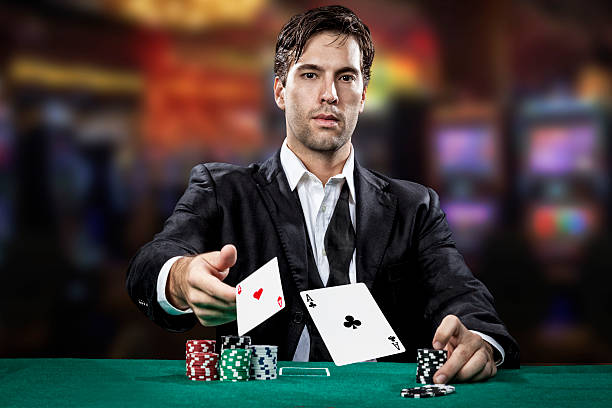
Mafia Casino: Your Destination for Online Gaming
Mafia Casino, established in 2025, represents a new frontier in online gaming, offering players an expansive library of over 4,000 games. From classic table games to modern slots and immersive live dealer experiences, the platform caters to a diverse array of gaming preferences. New players can take advantage of generous welcome bonuses, fostering a rich and engaging introduction to the world of online gambling.
The user-friendly interface at Mafia Casino ensures that players can easily navigate through their options, whether they’re seasoned gamblers or newcomers. With secure payment methods and fast withdrawals, players can enjoy a seamless gaming experience that prioritizes their security and satisfaction. The casino’s commitment to customer support further enhances the user experience, providing assistance and guidance whenever needed.
In conclusion, Mafia Casino embodies the exciting journey of gambling, reflecting its rich history of chance and strategy. As the online gaming industry continues to grow, platforms like Mafia Casino will play a crucial role in shaping the future of gambling, ensuring that players have access to innovative games and an exceptional gaming experience that captures the essence of this fascinating journey.