Exploring the psychology behind risk-taking behavior in casino environments
The Nature of Risk-Taking Behavior
Risk-taking behavior is a fundamental aspect of human psychology, particularly evident in environments like casinos. It often stems from the thrill associated with uncertainty and the potential for reward. When individuals engage in gambling, they often experience an adrenaline rush that enhances their enjoyment, making them more inclined to take risks. This psychological phenomenon is linked to the brain’s reward system, which releases dopamine during high-stakes situations, encouraging players to continue betting in hopes of winning big. For instance, many are drawn to platforms like hero spin 88, which offer diverse gaming experiences.

The allure of risk-taking can also be attributed to the concept of loss aversion, where the fear of losing can propel individuals to take greater risks in the hope of regaining their losses. This paradoxical behavior can lead to a cycle of gambling, where the initial thrill of winning becomes overshadowed by the desperation to recover from losses. Casinos capitalize on this dynamic by creating an environment that continuously stimulates risk-taking, drawing players deeper into the gambling experience.
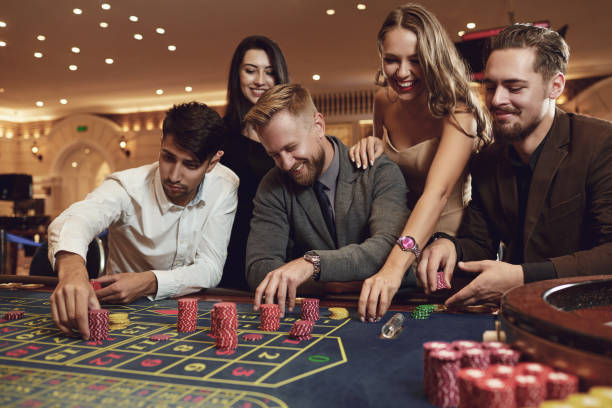
Additionally, social factors contribute to risk-taking in casinos. The presence of others can amplify a player’s inclination to gamble, as shared experiences of winning or losing can create a sense of camaraderie or competition. This social reinforcement makes individuals feel more comfortable taking risks, as they perceive a collective validation of their actions. Ultimately, understanding the psychology behind risk-taking behavior can provide insight into why casinos are so compelling and addictive.
The Role of Cognitive Biases
Cognitive biases play a significant role in influencing risk-taking behavior in gambling environments. One of the most prevalent biases is the illusion of control, where players believe they can influence the outcome of random games. This false belief often leads them to engage in riskier betting strategies, convinced that their actions can yield favorable results. Such cognitive distortions can perpetuate gambling behavior, even when statistical evidence suggests otherwise.
Another common cognitive bias observed in casinos is the gambler’s fallacy. This bias leads individuals to erroneously believe that past events can influence future outcomes. For instance, a player might think that a slot machine is “due” for a payout after a series of losses. This line of thinking can encourage further risk-taking, as players chase losses based on misconceptions about probability and chance. Understanding these biases is crucial for recognizing how they fuel risk-taking behavior in casino settings.
Moreover, cognitive dissonance plays a role in shaping a gambler’s decision-making. When players experience contradictory feelings about their gambling habits—such as guilt over losses but excitement from wins—they may rationalize their actions to reduce discomfort. This rationalization often leads to increased engagement in gambling, as players downplay risks and amplify the excitement of potential rewards. By identifying these cognitive biases, casinos can better understand and predict player behavior, which can enhance their marketing strategies.
The Emotional Components of Gambling
Emotions significantly influence risk-taking behavior in casinos. The thrill of gambling is often intertwined with feelings of hope, excitement, and anticipation. These emotions can create a euphoric state, which encourages individuals to take greater risks than they typically would in other contexts. This heightened emotional state is often compounded by the stimulating environment of casinos, which uses lights, sounds, and social interactions to amplify the experience.
The connection between emotions and risk-taking is further complicated by the experience of wins and losses. Winning can lead to feelings of euphoria and invincibility, while losing can result in frustration and a desire to recoup losses. This emotional rollercoaster can lead players to make impulsive decisions, betting larger amounts or continuing to play despite unfavorable odds. This response to emotional fluctuations is a key factor that can drive a player deeper into the casino experience.
Additionally, emotions related to social dynamics—such as peer pressure or the desire to impress others—can exacerbate risk-taking behavior. In a casino, players often observe and respond to the actions of those around them, which can lead to increased wagering or risky behaviors. The social environment can create an atmosphere that diminishes personal judgment, leading individuals to act against their better instincts. Understanding the emotional components of gambling can provide insights into why players engage in high-risk behaviors in casinos.
The Impact of Environment and Design
The design and atmosphere of casinos are meticulously crafted to enhance risk-taking behavior. Elements such as lighting, sound, and layout contribute to a stimulating environment that encourages prolonged engagement. For example, the absence of windows and clocks creates a timeless experience, making players unaware of how much time they spend gambling. This design choice fosters an immersive environment where individuals are more likely to take risks without considering the consequences.
Furthermore, the strategic placement of games and machines can influence player behavior. Casinos often position high-stakes games in areas with significant foot traffic to attract risk-takers. This accessibility encourages individuals to engage with these games, often leading them to bet more than they initially intended. The arrangement of gaming tables and slot machines also fosters a sense of excitement and competition, further enticing players to take greater risks.
Marketing tactics employed by casinos, such as promotional bonuses and loyalty programs, also play a crucial role in shaping risk-taking behavior. These incentives can create a perception of increased value, encouraging players to wager more. By leveraging environmental factors and targeted marketing, casinos are able to cultivate a risk-taking culture that keeps players engaged and invested in their gaming experiences.
HeroSpin Casino and Risk-Taking Behavior
HeroSpin Casino, as a leading online gaming platform, embodies many of the psychological principles associated with risk-taking behavior. Its user-friendly interface and diverse array of games are designed to cater to players’ thrill-seeking tendencies. By offering enticing bonuses, such as free spins and deposit incentives, HeroSpin effectively taps into the emotional and cognitive aspects of gambling, encouraging risk-taking among its users.
The secure banking options and excellent customer support offered by HeroSpin further enhance the overall gaming experience, instilling a sense of trust that can lead to increased risk-taking. Players are more likely to engage in riskier betting when they feel confident in the platform’s safety measures. This aspect highlights how online casinos, like HeroSpin, can create an environment conducive to risk-taking behavior through strategic design and effective communication.
Understanding the psychology behind risk-taking behavior can help players make informed decisions in online gaming environments. HeroSpin Casino strives to provide a balanced experience that caters to both the thrill of gambling and responsible play. By fostering awareness of the psychological dynamics at play, HeroSpin encourages users to enjoy their gaming experience while remaining mindful of their limits and choices.